
2026 FIFA World Cup Betting: Data, Odds & Analysis for Australian Punters
 Available in US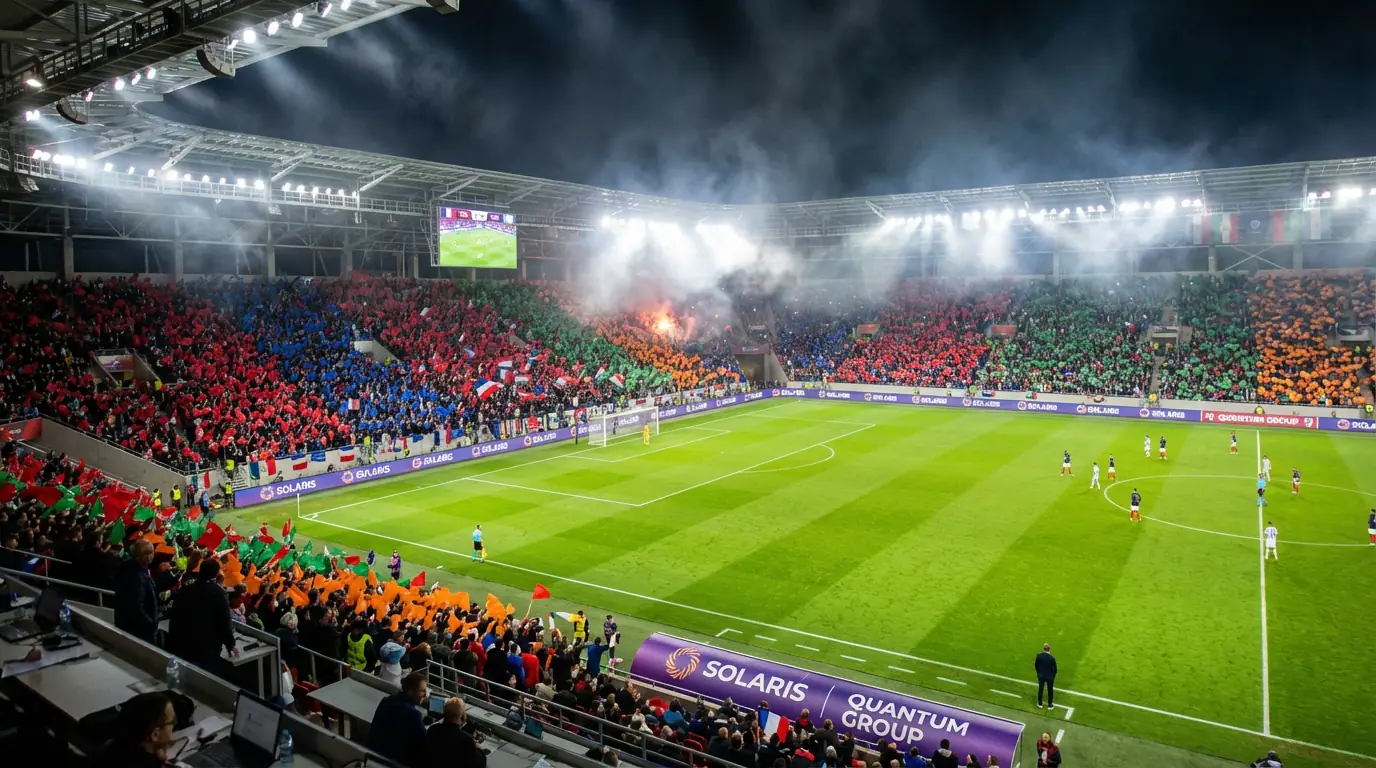
Expert betting analysis for every match of the 2026 FIFA World Cup
Explore the DataWhat the Data Says Before a Ball Is Kicked
- Argentina leads the outright market at approximately 5.50, followed by France (6.00) and England (7.50) — but host nation USA offers value at 11.00 given historical data on home advantage.
- Australia's Group D assignment is statistically favourable: the Socceroos face Paraguay, Türkiye, and hosts USA, with the expanded 32-team knockout format making third-place qualification viable.
- In-play betting via internet remains prohibited in Australia — only telephone wagers are legal during live matches, a critical distinction for punters planning their World Cup strategy.
- All 104 matches will be broadcast free on SBS, with Socceroos fixtures falling between 05:00 and 14:00 AEST due to Pacific Coast venue selection.
Key Numbers: The 2026 World Cup at a Glance
48 — qualified nations, up from 32 at Qatar 2022. The largest World Cup field in history expands the betting landscape by 50%, creating fresh value opportunities across group qualification, outright, and player markets.
104 — total matches across 39 days of competition. For context, Qatar 2022 delivered 64 matches over 29 days. The elongated schedule means more data points, more in-running patterns, and more chances to identify market inefficiencies as the tournament unfolds.
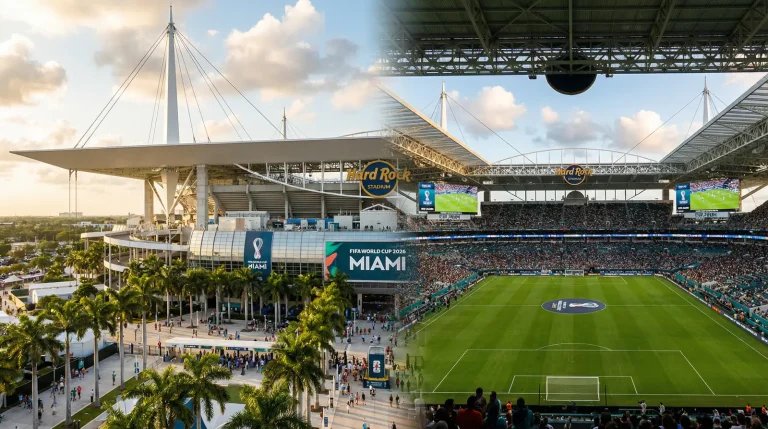
16 — stadiums spread across three nations. The United States hosts 78 matches at 11 venues, Mexico contributes 13 matches at 3 stadiums, and Canada adds another 13 at 2 locations. Venue-specific factors — altitude in Mexico City, humidity in Miami, time zone variance across a continent — will influence match outcomes in ways the market routinely underprices.
A$31.5 billion — total gambling losses by Australians in the 2022-23 financial year, the highest per-capita figure globally. World Cup betting represents a significant slice of this market, and Australian punters approach the tournament with both enthusiasm and sophistication.
+14 hours — the time difference between AEST and Eastern Time (US). Socceroos matches in Group D land at BC Place (Vancouver), Lumen Field (Seattle), and Levi's Stadium (Santa Clara) — all Pacific Coast venues that deliver relatively friendly kick-off times for Australian viewers, with most games falling between midday and early evening AEST.
Tournament Format & Structure: 48 Teams, 104 Matches
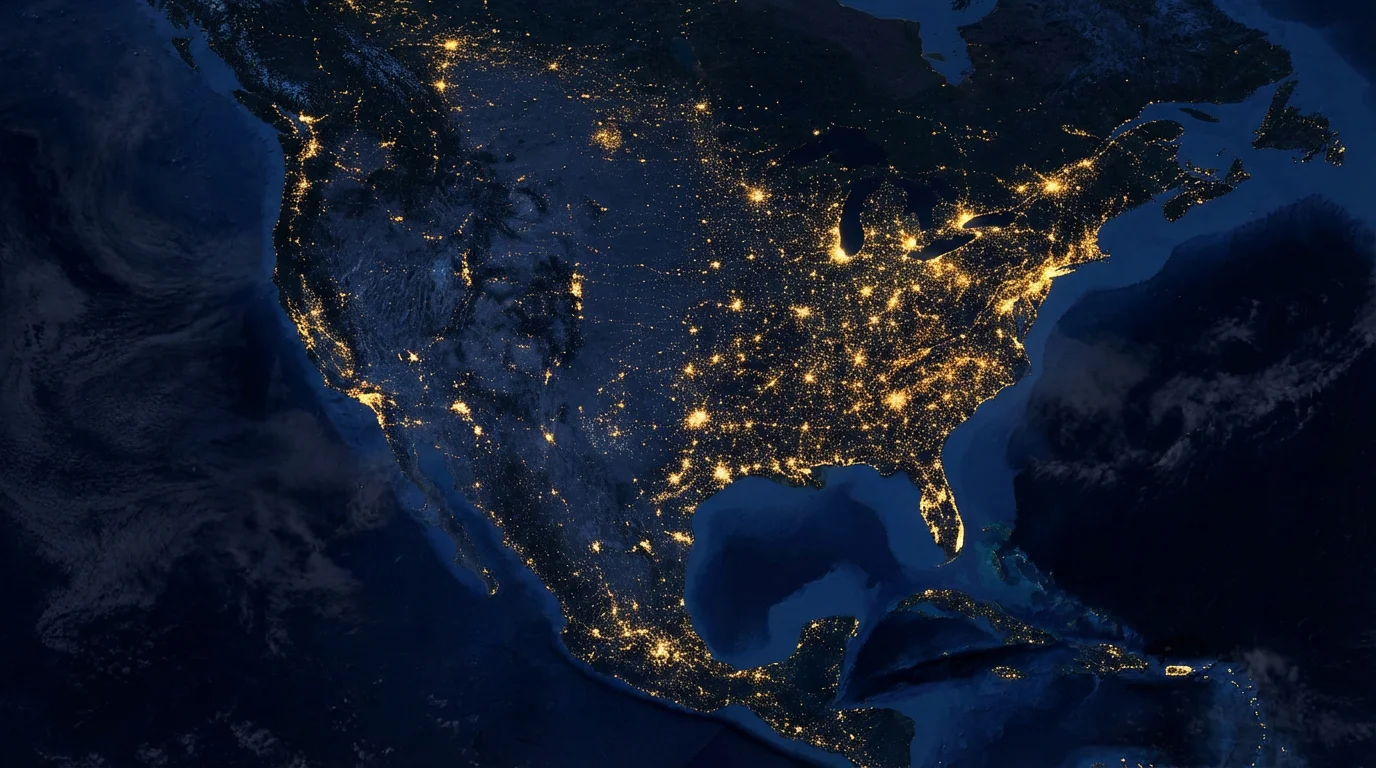
I spent three weeks in 2017 modelling what a 48-team World Cup might look like — FIFA had just announced the expansion, and the betting implications were immediately obvious. Nine years later, we have confirmation: 12 groups of four teams, with the top two from each group plus the eight best third-placed sides advancing to a Round of 32. That third-place pathway fundamentally changes how I approach group-stage betting.
The mathematics here deserve attention. Under the old 32-team format with eight groups, finishing third meant elimination. Period. Now, 24 of 48 teams (50%) reach the knockout rounds through top-two finishes, plus another 8 of the remaining 24 third-placed teams advance. That means approximately 67% of all participants will play at least one knockout match. For punters, this recalibrates the value in group qualification markets — teams previously written off after a poor opening result now have realistic pathways forward.
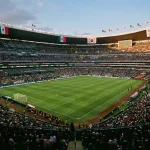
The tournament spans 39 days, running from 11 June to 19 July 2026. Mexico hosts the opening match at Estadio Azteca — a venue that has staged two previous World Cup finals (1970, 1986) — where El Tri face South Africa in Group A. The final lands at MetLife Stadium in East Rutherford, New Jersey, the same venue that will host the 2026 Copa América final just two years earlier. Stadium rotation creates predictable travel patterns: teams assigned to western venues (Seattle, San Francisco, Los Angeles, Vancouver) face different logistical challenges than those grouped in the east (New York, Boston, Miami, Atlanta).
For Australian punters, the tri-nation hosting arrangement introduces complexity absent from recent tournaments. Qatar 2022 was compact — every venue within an hour's drive. Russia 2018 spread teams across 11 cities spanning 2,500 kilometres. The 2026 edition covers roughly 4,500 kilometres from Mexico City to Vancouver, with time zone variance of up to three hours within the continental United States alone. Teams in Group D (Australia's group) play exclusively on the Pacific Coast, minimising travel disruption but requiring adjustment to Pacific Daylight Time (UTC-7), which sits 17 hours behind AEST during June and July.
I track three format-specific angles that historically move betting markets:
Rest differential — uneven fixture spacing creates recovery advantages. In 2022, Morocco entered their semi-final against France with one fewer rest day, and the fatigue showed in the second half. The 2026 schedule, with 40 additional matches compressed into only 10 extra days, will amplify this effect.
Third-place mathematics — at EURO 2016, four points guaranteed progression for third-placed teams. World Cup 2026 uses the same tiebreaker hierarchy (points, goal difference, goals scored). I expect three points plus a reasonable goal difference to be the threshold, but early tournament results will quickly sharpen that estimate.
Altitude and climate variance — Estadio Azteca sits at 2,200 metres, comparable to venues that have historically produced higher-scoring matches due to thinner air affecting ball flight and player stamina. Miami's June humidity creates different physical demands than Seattle's temperate conditions. The market typically underweights these environmental factors in match totals.
The structural expansion creates more betting opportunities per day than any previous World Cup. With the framework established, the next question is straightforward: who wins it?

Asian Handicap Betting
Asian Handicap Betting at the 2026 World Cup: Lines, Data & Strategy Asian handicap markets...
-

Best WC 2026 Betting Sites
Best Australian Betting Sites for the 2026 World...
-

Group Stage Betting Markets
Group Stage Betting Markets: Match Odds, Totals &...
-

World Cup Multis
World Cup Multis & Accumulators: Hit Rates, Data...
-

WC 2026 Winner Odds
2026 World Cup Winner Odds: Outright Market Data...


Outright Winner Odds: Who Leads the Market
Every World Cup, someone asks me to pick a winner in February and hold that prediction until July. I always decline. Outright markets shift constantly — injuries, form slumps, managerial changes, draw outcomes — and the value that exists today may evaporate or multiply before kick-off. What I can offer is a snapshot of where the market sits right now, and more usefully, where I see the market mispricing probability.
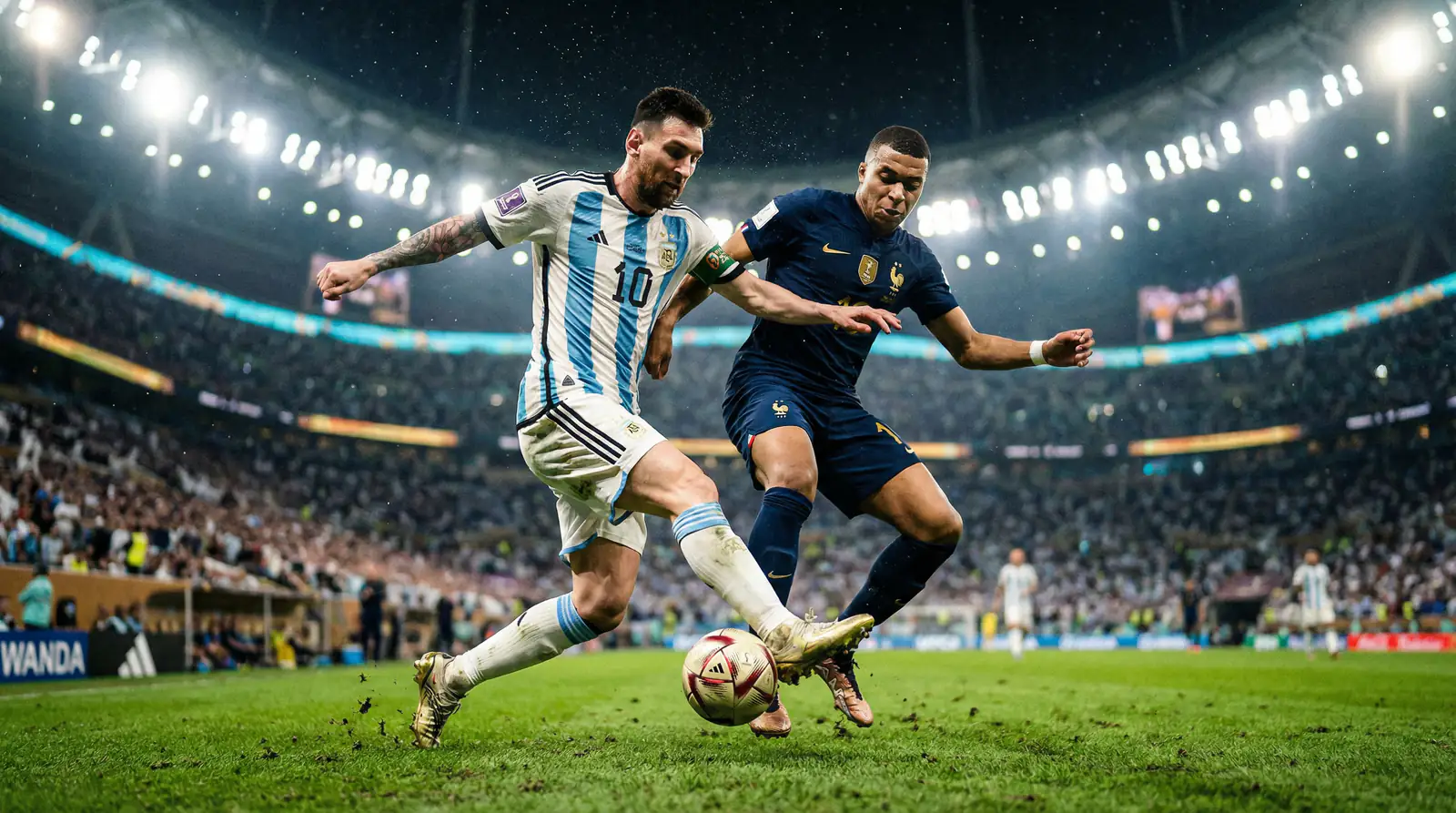
Argentina enters the tournament as defending champions and marginal favourites, priced between 5.00 and 5.50 across major Australian bookmakers. The implied probability at 5.50 is approximately 18%, which assumes nearly one in five scenarios end with La Albiceleste lifting the trophy again. Historical data offers caution: since Brazil's back-to-back wins in 1958 and 1962, no nation has successfully defended the World Cup. Italy failed in 1986, Germany failed in 2018, and the bookmakers who priced both as tournament favourites absorbed losses when reality intervened.
France occupies the second tier at around 6.00, reflecting their deep squad and consistent tournament performances — finalists in 2022, winners in 2018, finalists again in 2016 at the Euros. Les Bleus possess the most valuable commodity in international football: depth. Injuries to key players don't derail French campaigns the way they might for smaller nations. That resilience justifies their market position, though I'd argue the 6.00 price already accounts for their advantages.
England typically attracts disproportionate betting volume in anglophone markets, and their 7.50 price reflects both quality and liquidity. The Three Lions reached the EURO 2024 final, the EURO 2020 final, and the 2018 World Cup semi-finals — consistency that suggests a team capable of deep runs but perhaps lacking the ruthlessness to close out major tournaments. The betting market treats England as approximately a 13% chance, which feels fair given their knockout-stage record this decade.
| Nation | Decimal Odds | Implied Probability | Market Assessment |
|---|---|---|---|
| Argentina | 5.50 | 18.2% | Defending champs, but history warns against repeat winners |
| France | 6.00 | 16.7% | Squad depth unmatched; price reflects this fully |
| England | 7.50 | 13.3% | Consistent semi-finalists; closing ability questionable |
| Spain | 8.00 | 12.5% | EURO 2024 winners with youngest-ever champion squad |
| Brazil | 9.00 | 11.1% | Generational rebuild; 24-year title drought looms |
| Germany | 10.00 | 10.0% | Back-to-back group exits create redemption narrative |
| USA | 11.00 | 9.1% | Host nation advantage historically significant |
| Portugal | 13.00 | 7.7% | Post-Ronaldo transition underway |
| Netherlands | 17.00 | 5.9% | Three finals, zero titles — the Dutch paradox |
| Belgium | 21.00 | 4.8% | Golden generation ageing out |
The value play I keep returning to is the United States at 11.00. Host nations have reached at least the quarter-finals in 10 of the last 12 World Cups, with South Korea (2002) and Russia (2018) producing semi-final runs that stunned pre-tournament expectations. The USA will play every group-stage match at home, with a partisan crowd of 60,000+ for each fixture. Home advantage in football is quantifiable — roughly 0.3 to 0.5 goals per match across major leagues — and that edge compounds across seven matches required to win the tournament.
At the other end of the spectrum, Australia's outright odds typically range between 151.00 and 201.00, implying a probability well below 1%. I wouldn't advise a straight outright punt on the Socceroos, but tournament specials — reaching the quarter-finals, topping their group, specific player performances — often carry better expected value for patriotic punters.
The outright market prices Argentina and France as co-favourites, but historical data on defending champions and the measurable impact of host-nation advantage suggest the USA represents genuine value at 11.00. For Australian punters seeking an each-way play, Spain (8.00) combines recent tournament success with a young squad peaking at the right moment.





Socceroos in Group D: Schedule, Odds & Outlook

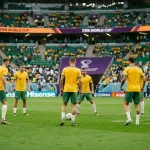
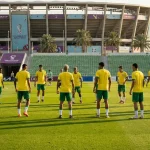
I was in Doha when Australia beat Denmark 1-0 to reach the Round of 16 at Qatar 2022 — the first time the Socceroos had advanced from a World Cup group since 2006. That night in Al Janoub Stadium, I watched a team built on defensive discipline and collective work ethic outperform their individual talent level. Four years later, the question facing Australian punters is whether this generation can replicate or exceed that achievement against a Group D field of USA, Paraguay, and Türkiye.
The draw handed Australia what I'd characterise as a genuinely favourable group, perhaps the most navigable since 2006 when the Socceroos shared Group F with Brazil, Croatia, and Japan. Let me break down each opponent through the lens of the betting markets.
USA: The Hosts at Home
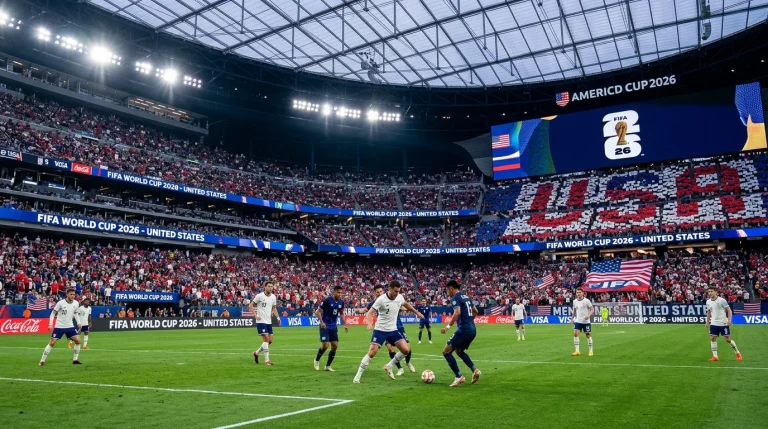
The Americans enter as heavy group favourites, priced around 1.45 to win Group D outright. That reflects both squad quality and the undeniable advantage of playing all three matches on home soil before partisan crowds. The USMNT features a core of players competing in Europe's top leagues — Christian Pulisic at AC Milan, Weston McKennie at Juventus, Tyler Adams in the Premier League — supplemented by rising MLS talent. Their FIFA ranking sits inside the top 15, and home advantage should push them toward at least six points from three matches.
Australia faces the USA in Seattle on 19 June (local), which translates to approximately 05:00 AEST on Saturday 20 June. It's the middle fixture of the group stage, meaning both teams will have some tournament rhythm but potentially still be finding their feet. The market prices USA as strong favourites (around 1.55), with Australia available at 5.50-6.00 and the draw sitting near 4.20. I see value in the draw, given Australia's capacity to defend deep and frustrate technically superior opponents — a tactic that worked against France in the group stage before a second-half collapse in 2022.
Paraguay: The Returnees
Paraguay qualified for their first World Cup since 2010, ending a 16-year absence that saw them miss three consecutive tournaments. That drought suggests either a systemic decline in Paraguayan football or cyclical rebuilding — the truth lies somewhere between. Their CONMEBOL qualification campaign revealed a compact, defensively organised team that struggles to score but rarely concedes clusters of goals.
Australia plays Paraguay at Levi's Stadium in Santa Clara on 25 June (local), which converts to approximately 12:00 AEST on Friday 26 June — a comfortable viewing time for Australian audiences. The market prices this as the tightest fixture in the group: Australia around 2.90, Paraguay near 2.70, draw at 3.20. I interpret this as a genuine coin-flip, the kind of match where small edges matter. Paraguay's relative anonymity in Australian betting circles may create pricing inefficiencies, but the fundamentals suggest a low-scoring contest decided by a single goal.
Türkiye: The Playoff Qualifiers
Türkiye secured their spot through the UEFA playoffs, defeating Kosovo 1-0 in a tense decider that showcased their pragmatic, results-oriented approach. The Turkish national team has oscillated between brilliance and mediocrity over the past two decades — third place at the 2002 World Cup represents their peak, but group-stage exits in 2008 and 2016 (at the Euros) demonstrate their inconsistency.
Australia opens the tournament against Türkiye at BC Place in Vancouver on 13 June (local), converting to approximately 14:00 AEST on the same Saturday — prime afternoon viewing. The opening match carries psychological weight; historically, teams winning their first group game advance at rates exceeding 80%. The market prices Türkiye as narrow favourites (around 2.50), with Australia at 2.90 and the draw near 3.30. I see this as the defining match for Australian group-stage hopes. Win here, and three or four points from the remaining two fixtures likely secures at least third place — enough to advance under the expanded format.
| Date (AEST) | Match | Venue | AUS Odds | Draw | Opp Odds |
|---|---|---|---|---|---|
| Sat 13 June, ~14:00 | Australia vs Türkiye | BC Place, Vancouver | 2.90 | 3.30 | 2.50 |
| Sat 20 June, ~05:00 | USA vs Australia | Lumen Field, Seattle | 5.50 | 4.20 | 1.55 |
| Fri 26 June, ~12:00 | Paraguay vs Australia | Levi's Stadium, Santa Clara | 2.90 | 3.20 | 2.70 |
Australia's path to the Round of 32 runs through the Türkiye opener. A win there, combined with a point against either USA or Paraguay, should deliver at least third place — and under the 2026 format, eight of 12 third-placed teams advance. The market prices Australia around 2.20 to qualify from the group, which represents fair value given the expanded knockout structure.
With Group D mapped, the broader picture of all 12 groups reveals where the tightest races and biggest mismatches lie across the tournament.
All 12 Groups: Betting Overview

Twelve groups of four teams produce 36 distinct matchups before the knockout rounds begin. I've spent the past month running each group through a difficulty index — a composite score weighting FIFA rankings, recent tournament performance, and qualifying campaign metrics. The results confirm what the eye test suggests: not all groups are created equal, and the disparity between the "groups of death" and "groups of life" creates clear betting opportunities.
Groups A-D: The Americas & Co-Hosts
Group A (Mexico, South Korea, South Africa, Czech Republic) — Mexico opens the tournament at Estadio Azteca, carrying the emotional weight of the host nation in their first match. South Korea brings knockout-round pedigree from 2022 (Round of 16) and that famous 2002 semi-final run. My difficulty index ranks this group 7th of 12, with Mexico strong favourites at 1.60 to top the group and South Korea the main threat at 4.50.
Group B (Canada, Switzerland, Qatar, Bosnia and Herzegovina) — Canada hosts matches in Toronto and Vancouver, their first World Cup appearance since 1986. Switzerland provides consistent tournament solidity — they've reached the knockout rounds at five consecutive major tournaments. Qatar, the 2022 hosts, lost all three group matches on home soil and arrive with something to prove. Group winner odds: Switzerland 2.40, Canada 2.60.
Group C (Brazil, Morocco, Haiti, Scotland) — The data screams "group of death" for the middle tier. Brazil and Morocco both possess genuine credentials — the Seleção despite their 24-year title drought, Morocco after their historic 2022 semi-final. Haiti makes their World Cup debut, and Scotland returns after missing 2022. Brazil leads the group winner market at 1.50, but Morocco at 4.00 offers value given their recent tournament trajectory.
Group D (USA, Paraguay, Australia, Türkiye) — Australia's group, as detailed above. The hosts dominate at 1.45 to win the group, with the battle for second place wide open. My index ranks this the 9th-most-difficult group, favourable for Socceroos advancement hopes.
Groups E-H: European Heavyweights
Group E (Germany, Côte d'Ivoire, Ecuador, Curaçao) — Germany's consecutive group-stage exits (2018, 2022) make this a redemption narrative the market has perhaps overweighted. Die Mannschaft are priced at 1.35 to top the group, but Côte d'Ivoire — AFCON 2023 champions — present a genuine banana skin at 6.00. Curaçao makes their World Cup debut, adding a feelgood underdog story.
Group F (Netherlands, Japan, Sweden, Tunisia) — Japan upset Germany and Spain in the 2022 group stage before falling to Croatia on penalties. The Samurai Blue are no longer underdogs in betting terms; they're priced at 3.50 to win a group that Netherlands leads at 1.80. Sweden returns after missing 2022, and Tunisia provides African qualifying resilience.
Group G (Belgium, Iran, New Zealand, Egypt) — Belgium's "golden generation" has aged past their peak — De Bruyne, Lukaku, and Courtois remain quality players but the squad's collective decline is measurable. Iran's participation was confirmed by FIFA President Gianni Infantino despite initial uncertainty, and their matches in Los Angeles and Seattle will attract significant diaspora support. Belgium still leads the group at 1.55, but I see value in the under on their total group-stage goals.
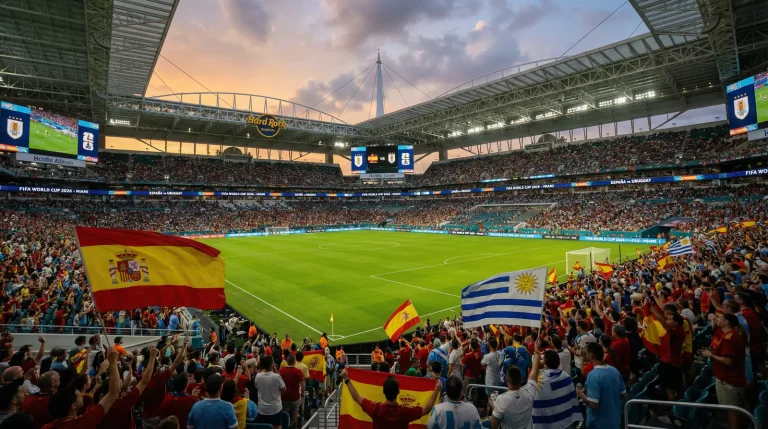
Group H (Spain, Saudi Arabia, Cape Verde, Uruguay) — Spain arrives as EURO 2024 champions with the youngest-ever title-winning squad in European Championship history. Uruguay provides the main opposition, featuring established South American quality, while Cape Verde makes their World Cup debut. Spain dominates at 1.40, with Uruguay at 3.80 representing their best value in the group winner market.
Groups I-L: The Favourites' Path
Group I (France, Senegal, Norway, Iraq) — France carries the weight of favouritism alongside Argentina, and their group appears navigable despite Senegal's 2022 Round of 16 appearance. Norway's inclusion — featuring Erling Haaland — adds star power, though their qualifying campaign revealed defensive vulnerabilities. France at 1.30 to top the group reflects near-certainty in the market's view.
Group J (Argentina, Algeria, Austria, Jordan) — The defending champions received a kind draw. Algeria provides African Championship pedigree, Austria brings Bundesliga-heavy squad depth, and Jordan makes their World Cup debut. Argentina at 1.25 represents the shortest group winner price in the tournament, implying approximately 80% probability.
Group K (Portugal, Colombia, Uzbekistan, DR Congo) — Portugal's post-Ronaldo transition continues, though their squad remains packed with elite club talent. Colombia offers genuine threat — James Rodríguez and Luis Díaz provide tournament-calibre creativity. Uzbekistan's debut adds Central Asian representation. Portugal leads at 1.75, with Colombia competitive at 3.20.
Group L (England, Croatia, Ghana, Panama) — A rematch of the 2018 World Cup semi-final (which Croatia won 2-1) headlines this group. England arrives as perennial knockout-round contenders, Croatia as the ageing but still dangerous small-nation giant. Ghana returns after missing 2022, and Panama provides CONCACAF depth. England at 1.55 to top the group, Croatia at 3.50.
| Group | Favourite | Odds | Main Threat | Odds | Difficulty Index |
|---|---|---|---|---|---|
| A | Mexico | 1.60 | South Korea | 4.50 | 7/12 |
| B | Switzerland | 2.40 | Canada | 2.60 | 10/12 |
| C | Brazil | 1.50 | Morocco | 4.00 | 2/12 |
| D | USA | 1.45 | Australia | 5.00 | 9/12 |
| E | Germany | 1.35 | Côte d'Ivoire | 6.00 | 6/12 |
| F | Netherlands | 1.80 | Japan | 3.50 | 3/12 |
| G | Belgium | 1.55 | Egypt | 5.50 | 11/12 |
| H | Spain | 1.40 | Uruguay | 3.80 | 4/12 |
| I | France | 1.30 | Senegal | 6.00 | 5/12 |
| J | Argentina | 1.25 | Algeria | 7.00 | 12/12 |
| K | Portugal | 1.75 | Colombia | 3.20 | 8/12 |
| L | England | 1.55 | Croatia | 3.50 | 1/12 |
Group L (England, Croatia, Ghana, Panama) ranks as the most difficult group by my composite index, driven by the combined FIFA rankings and tournament pedigree of England and Croatia. Group J (Argentina, Algeria, Austria, Jordan) ranks easiest — a gift for the defending champions.












Key Betting Markets for the 2026 World Cup
A colleague once asked me how many distinct betting markets exist on a single World Cup match. I stopped counting at 150 — and that was for a group-stage fixture between two mid-tier nations. The 2026 tournament, with its expanded field and additional matches, will generate more wagering options than any sporting event in history. For Australian punters navigating this ocean of choices, understanding the core markets provides essential orientation.
Match Result (1X2)
The most straightforward market: back the home team (1), the draw (X), or the away team (2). World Cup group stages historically produce draws in approximately 25% of matches — higher than club football due to the cautious approach teams adopt when elimination looms. At decimal odds, a 3.50 price on the draw implies roughly 28.5% probability; if my analysis suggests a draw is more likely than that, the market presents value.
Asian Handicap
Asian handicaps eliminate the draw outcome by applying a goal advantage or disadvantage to one team. A -0.5 handicap on Brazil means they must win (not draw) for the bet to succeed; a +0.5 handicap on their opponent pays if that team wins or draws. The World Cup attracts heavy Asian handicap liquidity because the market offers cleaner value assessment than three-way pricing. I use Asian handicaps almost exclusively for group-stage betting where draw probability distorts 1X2 odds.
Over/Under Goals (Totals)
World Cup group stages averaged 2.53 goals per match in 2022, down from 2.64 in 2018. The trend toward defensive organisation at international level makes under 2.5 goals a statistically sound approach for matches involving pragmatic teams. However, the expanded 48-team format introduces several debutant nations — Haiti, Curaçao, Uzbekistan, Cape Verde — who may concede at higher rates against established opposition. I anticipate goal-line variance across groups, with matches involving debutants trending over and established-team fixtures trending under.
Both Teams to Score (BTTS)
BTTS paid in approximately 55% of 2022 World Cup matches, higher than the 48% average in Europe's top five leagues that season. The psychological pressure of elimination football encourages offensive commitment, particularly in second halves when a goal is needed. I track BTTS as a secondary market — useful when I lack conviction on match winners but see probable scoring patterns emerging from team news and tactical setups.
Outright & Futures Markets
Beyond the tournament winner market discussed earlier, Australian bookmakers offer extensive futures: Golden Boot (top scorer), Golden Ball (best player), Golden Glove (best goalkeeper), team to reach final, correct finalist combination, winning confederation, and more. The Golden Boot typically attracts heavy volume — Kylian Mbappé leads early pricing at around 8.00, with Erling Haaland at 9.00 and Harry Kane near 11.00. Historical data shows attackers from teams reaching at least the semi-finals dominate the market; backing a prolific scorer whose nation exits in the Round of 32 rarely pays off regardless of individual quality.
Australian Legal Context: In-play betting via internet is prohibited under the Interactive Gambling Act 2001. Australian punters can only place live bets by telephone during World Cup matches. Pre-match markets close at kick-off; any bet placed after a match begins must go through a licensed operator's phone betting service. This restriction fundamentally shapes how Australian punters approach World Cup wagering — pre-match analysis and position-taking matter more here than in jurisdictions permitting online in-play betting.
The Lock-In Ledger
Australian punters can't press cash out — the Interactive Gambling Act 2001 keeps live betting and cash-out off every licensed online book here. Your only exit is a second bet, placed before kick-off. This ledger prices that exit: what you can lock in, what the hedge costs you, and how it compares to the cash-out button overseas punters get.
1 · The bet you already hold
2 · Prices on the board now
3 · How hard you lock
Rules that apply here. Online in-play betting and cash-out are prohibited in Australia under the Interactive Gambling Act 2001, so every leg of the hedge must be placed before kick-off. Odds move; re-run the numbers with live prices before you stake. Educational tool, not betting advice. 18+ · Gambling Help Online · BetStop
Player Props & Specials
Individual player markets — anytime goalscorer, first goalscorer, player shots on target, cards — provide granular betting opportunities. For Socceroos matches, I track Australian player props closely: who takes penalties, who attacks set pieces, who accumulates yellow cards through tactical fouling. These micro-markets often carry wider margins than core match betting, but they also attract less sophisticated money, creating occasional value when my analysis diverges from the crowd.
Understanding the markets is necessary; accessing them through the right platform is equally important. The choice of bookmaker affects both the odds you receive and the wagering experience across a 39-day tournament.
Best Australian Betting Sites for the World Cup
I maintain accounts with every licensed Australian bookmaker — not out of loyalty to any single platform, but because odds vary between operators, and even small differences compound across 104 matches. The World Cup isn't a sprint; it's a six-week campaign where consistent edge-taking matters more than any single wager. Choosing where to place bets requires understanding what each platform offers and how that aligns with your betting approach.
What Matters: Odds Margin, Market Depth, Payout Speed
Odds margin — the bookmaker's theoretical edge built into pricing — ranges from approximately 4% to 8% across Australian operators on major football markets. On a match priced at true even odds (2.00 for both outcomes in a two-way market), a 6% margin produces odds of 1.94 for each side. Over dozens of bets, that margin erodes returns substantially. I prioritise operators with lower margins for my high-conviction wagers and accept higher margins only when unique market offerings justify the cost.
Market depth matters for World Cup betting. Some operators offer 50+ markets on a group-stage match; others barely reach 30. If your approach involves player props, specific scorelines, or Asian handicaps, ensure your chosen platform provides the markets you need. Nothing frustrates more than identifying value and finding no way to back it.
Payout speed becomes relevant as the tournament progresses. Winning punters want access to their funds quickly, whether for reinvestment or withdrawal. Australian operators typically process bank transfers within one to three business days, but during high-volume periods like a World Cup semi-final weekend, delays can extend. I keep funds distributed across multiple accounts to ensure liquidity regardless of individual payout timing.
The Australian Operator Landscape
Sportsbet operates as Australia's largest betting platform by market share, offering extensive World Cup coverage including match markets, player props, and tournament specials. Their mobile application handles high traffic reliably — an important consideration during peak betting windows before kick-off. Odds margins typically sit in the middle of the Australian range, neither the sharpest nor the widest.
TAB, the legacy Australian betting institution, provides World Cup markets through both retail outlets and digital platforms. Their pricing sometimes differs from pure-online operators, particularly on Australian-centric markets where TAB attracts disproportionate volume. Socceroos matches, for example, may show TAB odds diverging from competitors due to localised betting patterns.
Ladbrokes Australia offers competitive football margins and extensive in-play telephone betting services — relevant given the prohibition on online live betting. Their World Cup market range matches industry leaders, and their same-game multi builder provides flexibility for punters constructing correlated-outcome wagers.
Bet365, operating under Australian licensing, brings international football expertise to the local market. Their odds margin on European football has historically been among the tightest in Australia, and World Cup pricing typically follows that pattern. The platform's streaming capabilities — where available and compliant with Australian regulations — add viewing value for some punters.
Regulatory Considerations
Several recent regulatory changes affect World Cup betting for Australian punters. Credit cards and cryptocurrency have been banned for online wagering since June 2024, limiting deposit methods to debit cards, bank transfers, and cash at retail outlets. The national self-exclusion register, BetStop, allows individuals to exclude themselves from all licensed Australian operators simultaneously — a responsible gambling measure that applies during tournament periods. Minimum age remains 18 across all jurisdictions.
Advertising restrictions tighten significantly from January 2027, but the 2026 World Cup falls under current regulations. Expect aggressive promotional campaigns from operators during the tournament, though evaluating bonus offers requires reading the fine print — turnover requirements often make advertised bonuses less valuable than headline figures suggest.
With accounts funded and bookmakers selected, the practical question for Australian punters becomes when to watch: 104 matches across North American time zones create viewing challenges that require planning.
Match Schedule & Kick-Off Times in AEST

The 2026 World Cup spans three nations and four time zones within North America alone. For Australian punters, converting kick-off times from Eastern, Central, Mountain, and Pacific time to AEST requires either mental gymnastics or a reliable reference. I've built the conversion table below specifically for Australian viewers, focusing on the matches most likely to attract betting interest and television audiences from this country.
SBS secured broadcast rights to all 104 matches, continuing their tradition of free-to-air World Cup coverage in Australia. The network will likely stagger programming across SBS main and SBS Viceland to accommodate overlapping fixtures during the group stage, when multiple matches kick off simultaneously.
Key Dates in AEST
| Event | Local Time | AEST | Venue |
|---|---|---|---|
| Opening Match: Mexico vs South Africa | Wed 11 June, 18:00 CDT | Thu 12 June, ~09:00 | Estadio Azteca, Mexico City |
| Australia vs Türkiye (Match 1) | Fri 13 June, 00:00 ET | Sat 13 June, ~14:00 | BC Place, Vancouver |
| USA vs Australia (Match 2) | Thu 19 June, 15:00 PDT | Sat 20 June, ~05:00 | Lumen Field, Seattle |
| Paraguay vs Australia (Match 3) | Wed 25 June, 22:00 PDT | Fri 26 June, ~12:00 | Levi's Stadium, Santa Clara |
| Round of 32 begins | Sat 28 June | Sun 29 June (various) | Multiple venues |
| Final | Sat 19 July, 15:00 EDT | Sun 20 July, ~05:00 | MetLife Stadium, East Rutherford |
The Pacific Coast venue selection for Group D works in Australia's favour. Vancouver, Seattle, and Santa Clara all operate on Pacific Daylight Time (UTC-7), which converts to AEST with a 17-hour gap during June and July. A 22:00 PDT kick-off becomes approximately 15:00 AEST the following day — afternoon viewing rather than the pre-dawn starts that plagued Australian audiences during Brazil 2014 and South Africa 2010.
Group Stage Timing Patterns
Most group-stage matches will kick off at one of four standard times in their local venue time zone: 12:00, 15:00, 18:00, or 21:00. Converting these to AEST produces the following ranges:
Eastern Time (New York, Miami, Atlanta): AEST +14 hours. A 21:00 EDT kick-off becomes 11:00 AEST the following day — workday lunch viewing.
Central Time (Dallas, Houston, Kansas City, Mexico City): AEST +15 hours. A 21:00 CDT kick-off becomes 12:00 AEST the following day.
Pacific Time (Los Angeles, Seattle, San Francisco, Vancouver): AEST +17 hours. A 21:00 PDT kick-off becomes 14:00 AEST the following day.
The final at MetLife Stadium (Eastern Time) kicks off at 15:00 local, translating to approximately 05:00 AEST on Sunday 20 July. Early morning finals have become routine for Australian football fans — the UEFA Champions League final regularly falls in a similar time slot, and audiences adapt accordingly.
Australia's most favourable World Cup kick-off times since 1990 occur in 2026, thanks to the Pacific Coast venue assignments for Group D. The 2010 tournament in South Africa produced three Socceroos matches starting between 02:30 and 04:30 AEST — painful viewing that the 2026 schedule mercifully avoids.
Frequently Asked Questions
How many teams qualify for the knockout rounds under the new 48-team format?
Thirty-two teams advance to the Round of 32: the top two finishers from each of the 12 groups (24 teams) plus the eight best third-placed teams. This means approximately 67% of all participants will play at least one knockout match, compared to 50% under the previous 32-team format. For Australian punters, the expanded structure makes group qualification markets significantly different to price — a team finishing third now has realistic advancement chances rather than certain elimination.
Can I place live bets online during World Cup matches in Australia?
No. The Interactive Gambling Act 2001 prohibits in-play betting via internet in Australia. Once a match kicks off, any live wagers must be placed by telephone through a licensed Australian bookmaker. This restriction applies to all sports, including the World Cup. Pre-match markets close at kick-off, and only telephone betting services remain available for in-running wagers. Most major Australian operators maintain dedicated phone lines for in-play betting, though the experience differs significantly from online wagering.
What time do Socceroos matches kick off in AEST?
Australia's three Group D matches fall at relatively viewer-friendly times for Australian audiences. The opener against Türkiye kicks off at approximately 14:00 AEST on Saturday 13 June. The USA match begins around 05:00 AEST on Saturday 20 June — an early start but manageable for dedicated fans. The final group match against Paraguay starts near 12:00 AEST on Friday 26 June. All three venues sit on North America's Pacific Coast, minimising the time zone disadvantage Australian viewers typically face during World Cups hosted in Europe or South America.
Which TV channel broadcasts the 2026 World Cup in Australia?
SBS holds the free-to-air broadcast rights for all 104 World Cup matches in Australia. The network has broadcast every World Cup since 1986 and will continue this tradition through 2026. Expect coverage split between SBS main channel and SBS Viceland during group-stage rounds when multiple matches overlap. SBS On Demand will provide streaming options for viewers unable to watch live. Subscription services may offer additional coverage, but the core tournament remains accessible without paid platforms.
Who are the favourites to win the 2026 World Cup?
Argentina enters the tournament as defending champions and marginal betting favourites at approximately 5.50 decimal odds, implying roughly 18% probability. France follows at around 6.00, with England at 7.50, Spain at 8.00, and Brazil at 9.00. The United States, benefiting from host-nation advantage, sits near 11.00 — a price I consider undervalued given historical data on home teams at World Cups. No defending champion has successfully retained the trophy since Brazil in 1962, a statistical reality the market may be underweighting on Argentina.
What odds are Australian bookmakers offering on the Socceroos?
Australia's outright winner odds typically range between 151.00 and 201.00, reflecting a probability well below 1%. More actionable markets include group qualification, where the Socceroos are priced around 2.20 to reach the Round of 32. Individual match odds show Australia as slight underdogs against Türkiye (2.90), significant underdogs against USA (5.50), and roughly even against Paraguay (2.90). Player props on Australian squad members — particularly anytime goalscorer and cards markets — attract interest from punters seeking patriotic wagers with better expected value than the long-shot outright.
Your World Cup Betting Roadmap
I've covered a lot of ground here — 48 teams, 12 groups, 104 matches, and a regulatory framework specific to Australian punters. Let me distill the data into a practical roadmap for the tournament ahead.
The expanded format changes everything about group-stage betting. Third place now offers genuine advancement prospects, which shifts value in qualification markets. I'll be approaching group betting with this structural change front of mind, looking for teams priced as though elimination were certain after one poor result when the mathematics suggest otherwise.
For Socceroos supporters, Group D presents opportunity rather than obstacle. The USA will dominate their home group, but second and third place remain genuinely contested. Australia's opener against Türkiye carries outsized importance — my data suggests a win there, combined with any point from the remaining fixtures, likely secures knockout football. The market prices Australia at 2.20 for group qualification, which represents fair value given the format.
On the broader tournament picture, I see the United States at 11.00 as the clearest value play in the outright market. Host nations overperform betting expectations with remarkable consistency, and the Americans will ride a wave of partisan support across 78 home matches. Argentina's status as defending champions and market favourites runs headlong into historical reality: no nation has repeated since 1962.
The practical steps from here are straightforward. Set up accounts with multiple licensed Australian bookmakers to capture odds variance across the tournament. Familiarise yourself with telephone betting services for in-play wagers, given the internet prohibition. Convert key kick-off times to AEST and calendar the Socceroos fixtures — those matches attract unique market dynamics in Australia that create occasional pricing inefficiencies.
Thirty-nine days of football. One hundred and four matches. Thousands of betting markets. The data provides structure; your job is to find where the numbers and the market disagree. That disagreement, exploited with discipline across a long tournament, is where value lives.
